




Choosing a wedding dress is one of the most meaningful decisions a bride makes during wedding planning. The right gown reflects your personal style, complements the venue and theme, and makes you feel confident walking down the aisle. With thousands of silhouettes, fabrics, necklines, and embellishments to choose from, understanding your options is the first step toward finding the dress of your dreams. Whether you envision a classic ball gown, a sleek modern sheath, or something entirely unique, this guide covers everything you need to know about wedding dresses in 2025 and 2026.
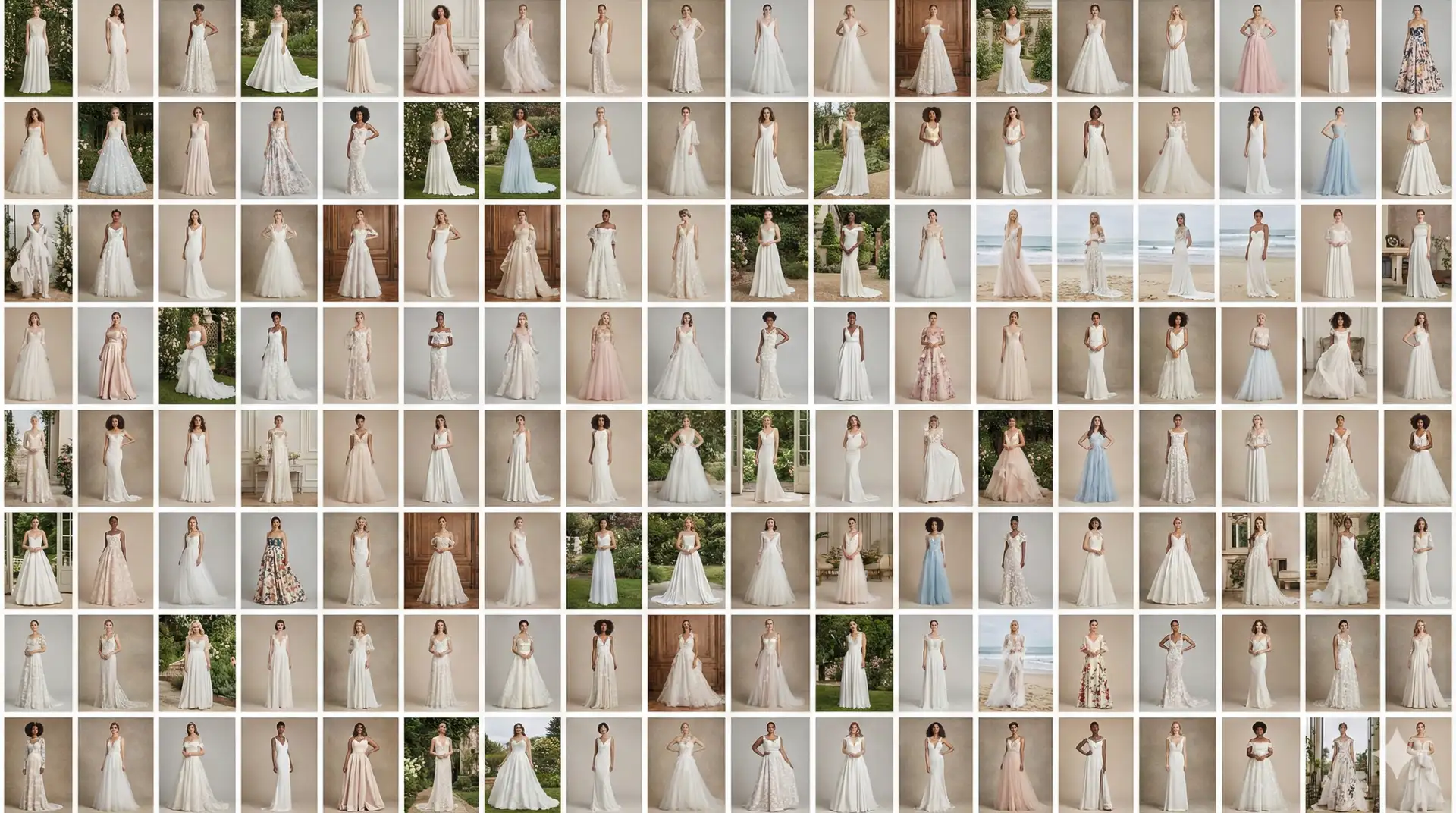
From timeless traditions to the latest bridal fashion trends, the world of wedding dresses has never been more diverse. Today's brides have access to more styles, customization options, and design technologies than any generation before. Browse our wedding dress inspiration gallery or read on as we break down every aspect of wedding dress shopping, design, and selection to help you make an informed and inspired choice.
| Topic | Details |
|---|---|
| Most Popular Silhouettes | A-Line, Mermaid, Ball Gown, Sheath, Empire |
| Common Fabrics | Satin, Tulle, Lace, Chiffon, Organza, Crepe |
| Average Price Range | $1,000 - $4,000 (US average) |
| Popular Necklines | Sweetheart, V-Neck, Off-the-Shoulder, Strapless |
| Trending Styles 2025-2026 | Minimalist, Old Hollywood, 3D Florals, Cape Details |
| Typical Lead Time | 4-8 months for custom orders |
| Best Time to Shop | 9-12 months before the wedding |
| Color Options | Ivory, Champagne, Blush, Classic White, Nude Tones |
Wedding Dress Silhouettes Explained
The silhouette is the overall shape and outline of a wedding dress, and it is arguably the single most important decision you will make when choosing your gown. Each silhouette flatters different body types and creates a distinct aesthetic, from dramatic and regal to understated and modern.
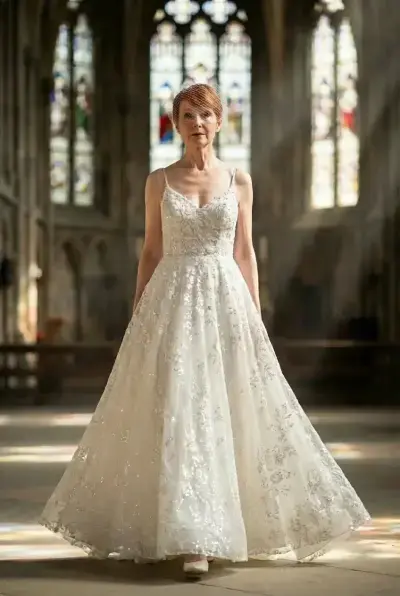
The A-line silhouette is the most universally flattering shape, featuring a fitted bodice that gently flares from the waist to the hem in the shape of a capital letter A. It works beautifully on virtually every body type and is a popular choice for outdoor, garden, and church weddings alike. The A-line provides a classic, elegant look without being overly structured or heavy. Read our complete A-line wedding dress guide to learn more.
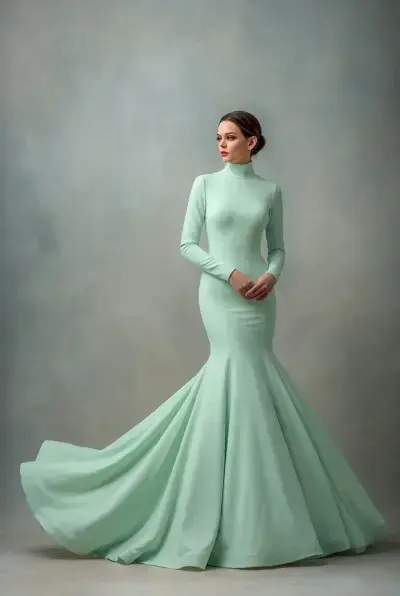
The mermaid silhouette is designed for brides who want to make a statement. It hugs the body closely from the bodice through the hips and thighs, then flares dramatically at or just below the knee. This shape accentuates curves and creates a glamorous, red-carpet-worthy look. A close cousin is the trumpet silhouette, which flares slightly higher on the thigh for more ease of movement while still celebrating the body's natural curves.
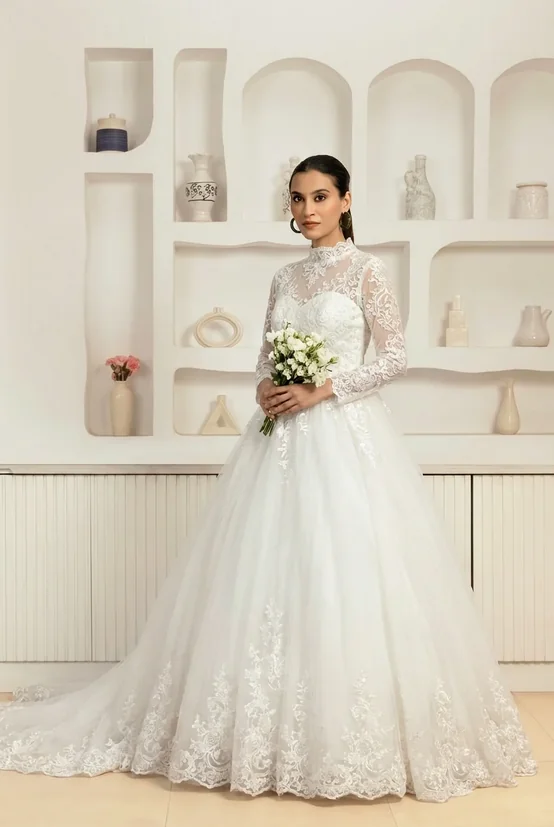
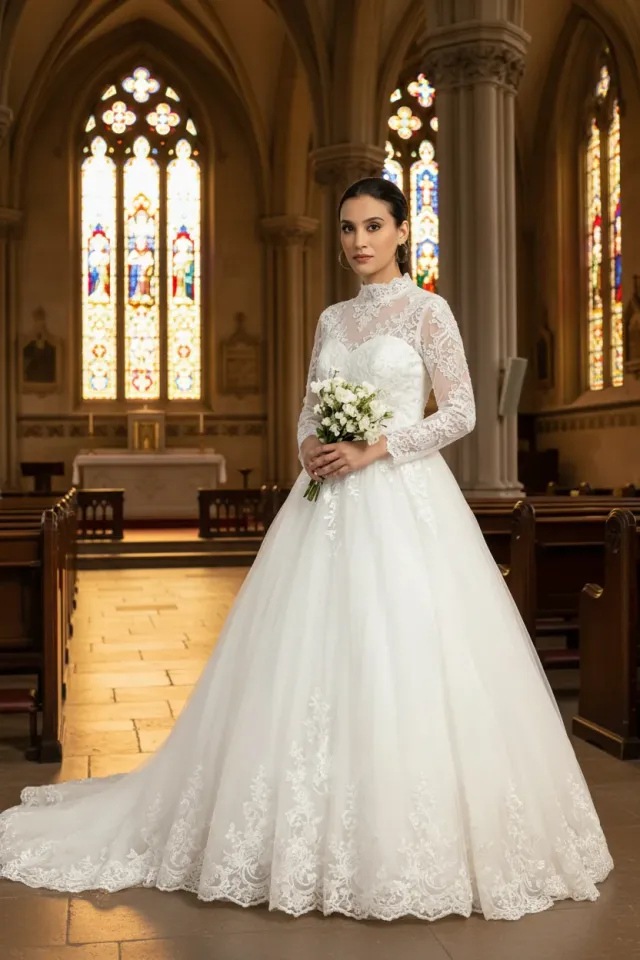
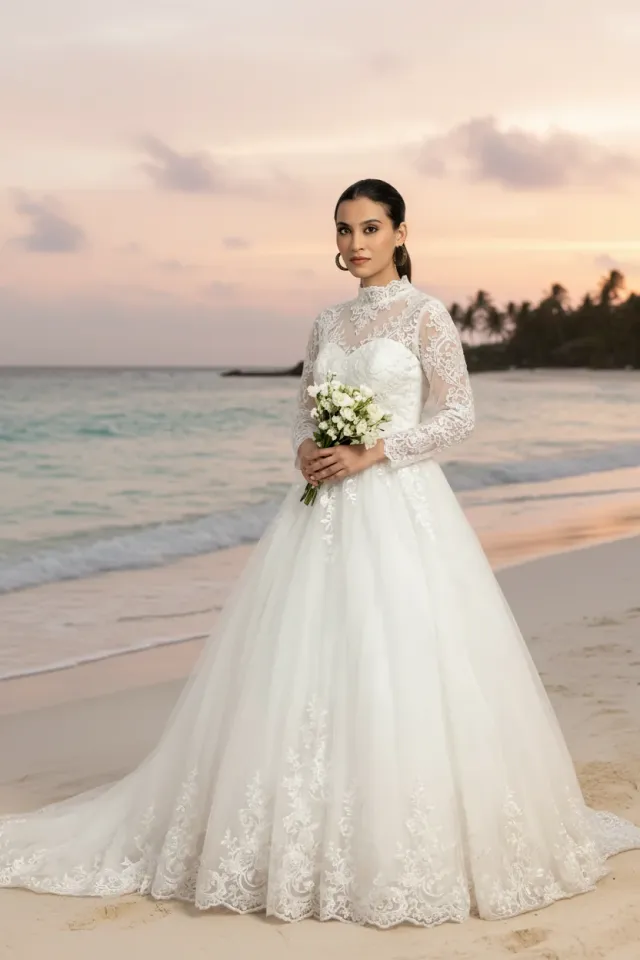
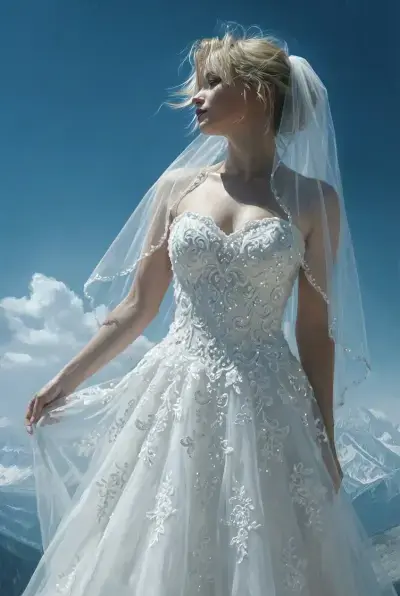
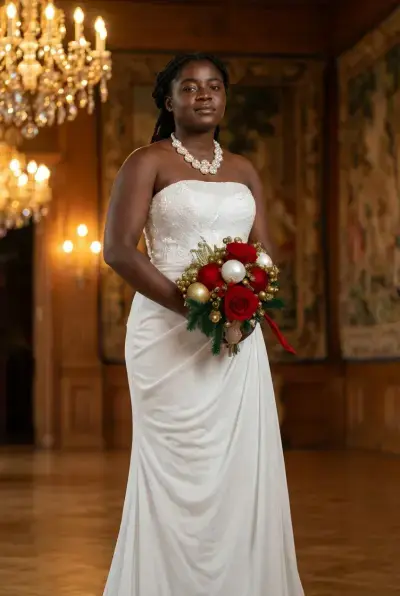
The ball gown is the quintessential fairy-tale wedding dress. With a fitted bodice and a full, voluminous skirt that extends from the waist, this silhouette is ideal for grand venues like ballrooms, cathedrals, and estate weddings. Ball gowns create a dramatic entrance and are often paired with long trains and elaborate veils.
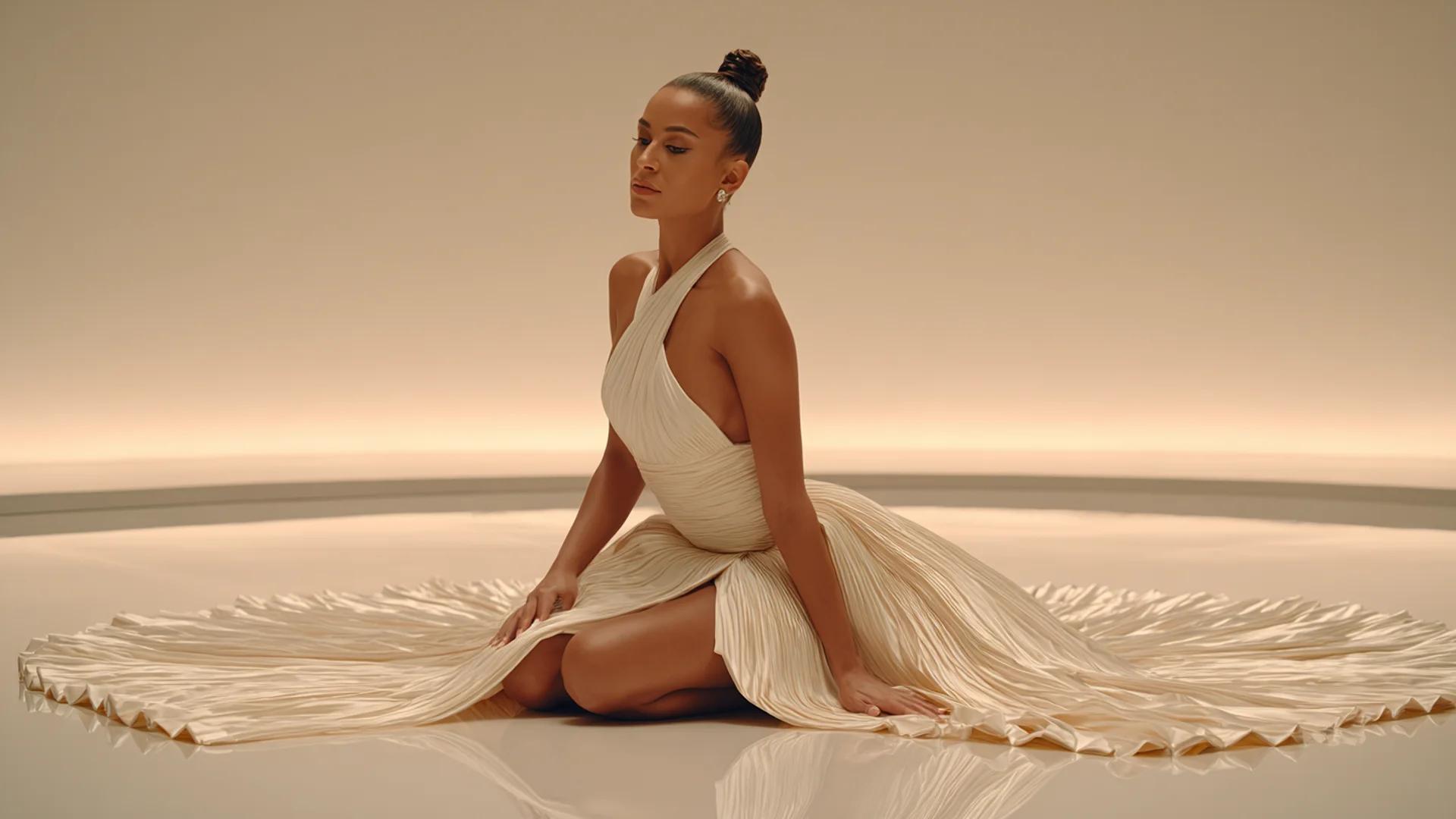
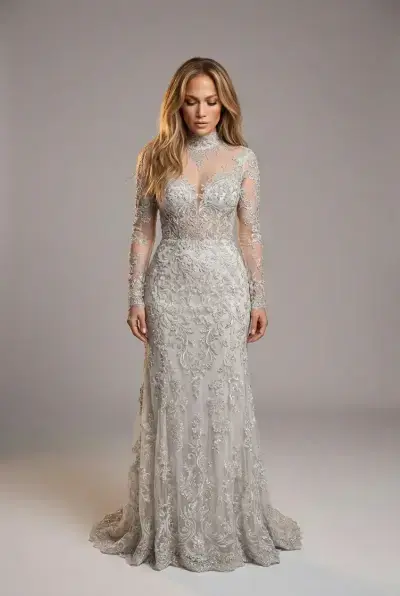
The sheath (or column) silhouette is a sleek, form-fitting dress that follows the natural line of the body from shoulder to hem without flaring. It is the go-to choice for minimalist brides, destination weddings, and modern ceremonies. Sheath dresses are typically lightweight and comfortable, making them perfect for warm climates. The empire waist silhouette features a raised waistline that sits just below the bust, with a flowing skirt that skims over the hips. It creates an elongated appearance and is a particularly comfortable option. Tea-length dresses hit between the knee and ankle and are ideal for casual, vintage-inspired, or second weddings, while mini wedding dresses make a bold, fashion-forward statement for receptions, elopements, or after-parties.
Choosing the Right Fabric
The fabric of your wedding dress determines how it drapes, moves, and feels on your body. It also affects the overall formality and season-appropriateness of the gown. Understanding the most popular bridal fabrics will help you narrow down your options and communicate your preferences to designers and bridal consultants.
Satin is one of the most popular bridal fabrics, known for its smooth, glossy finish and luxurious feel. It photographs beautifully, catching light with a subtle sheen, and is used in everything from ball gowns to minimalist sheaths. Tulle is a soft, airy net fabric commonly used in layered skirts, overlays, and veils. It creates a romantic, ethereal look and adds volume without excessive weight. Lace remains one of the most timeless and beloved bridal fabrics. From delicate Chantilly lace to dramatic Alencon and modern guipure, lace adds texture, detail, and romance to any silhouette.
Chiffon is a lightweight, flowing fabric with a subtle sheer quality. It is ideal for beach weddings, garden ceremonies, and any bride who wants effortless movement. Organza is slightly stiffer than tulle and holds its shape well, making it a great choice for structured ball gowns and A-line dresses. Crepe is a modern favorite, known for its matte finish and beautiful drape. It is sleek and sophisticated, perfect for contemporary brides seeking a clean, minimalist aesthetic. Other notable fabrics include mikado (a structured satin-like fabric with a matte sheen), charmeuse (a soft, fluid satin often used in bias-cut gowns), and taffeta (a crisp fabric with a slight sheen that holds dramatic shapes).
Neckline Styles and What Suits You
The neckline frames your face and sets the tone for the entire gown. The sweetheart neckline curves gently across the bust in a heart shape and is one of the most popular choices for brides, flattering a wide range of body types. The V-neck creates a lengthening, slimming effect and is available in various depths from modest to dramatic plunging styles.
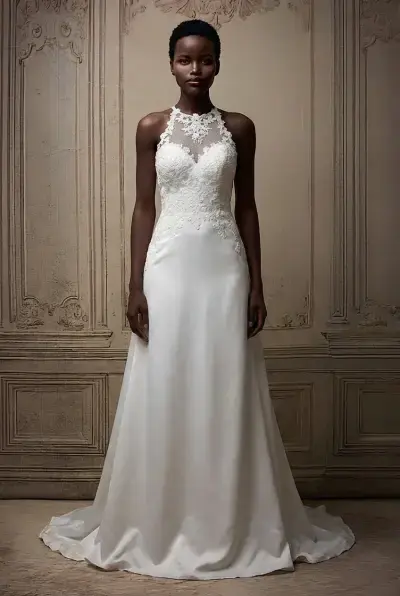
Off-the-shoulder necklines sit below the shoulders with sleeves that rest on the upper arms, creating a romantic, feminine look. Strapless dresses feature a straight or slightly curved neckline with no straps, offering a clean, classic look that showcases the shoulders and collarbone. The halter neckline wraps around the back of the neck, leaving the shoulders and back exposed, and works particularly well for athletic builds. The bateau (or boat neck) follows the line of the collarbone with a wide, shallow neckline, offering an elegant, sophisticated look often associated with royal wedding fashion. Illusion necklines use sheer mesh or tulle to create the appearance of a higher neckline while still showcasing skin beneath, allowing for intricate lace or beading details.
Sleeve Styles for Every Season
Sleeves can transform the entire character of a wedding dress. Cap sleeves offer just a hint of coverage at the shoulder, adding a delicate, feminine touch without the commitment of full sleeves. Long sleeves are a timeless choice that has seen a major resurgence in bridal fashion, especially in lace or illusion fabrics that keep the look light and modern.
Bell sleeves flare out from the elbow or wrist for a bohemian, vintage feel. Bishop sleeves are full and gathered at the wrist, creating a dramatic, romantic silhouette. Detachable sleeves give you the best of both worlds, allowing you to have a sleeved look for the ceremony and go strapless for the reception. Flutter sleeves are short, layered, and ruffled, adding movement and a playful touch. For winter weddings, long fitted sleeves in crepe or mikado provide warmth and a polished, sophisticated appearance.
Train Lengths: From Sweep to Cathedral
The train is the extended fabric that trails behind the bride as she walks. A sweep train barely brushes the floor, extending just 6-12 inches from the waist. It is the most practical option and works well for casual and outdoor weddings. A court train extends about one foot along the floor and offers slightly more drama while remaining manageable.
A chapel train extends 3.5 to 4.5 feet from the waist and is the most common choice for church and formal weddings. It creates a beautiful bridal moment without being difficult to manage. A cathedral train extends 6.5 to 7.5 feet and makes a truly dramatic statement, perfect for grand venues and formal affairs. The royal train (or monarch train) extends beyond 7.5 feet and is the most dramatic option, famously seen in royal weddings throughout history.
Wedding Dress Colors Beyond White
While white remains the most traditional wedding dress color, modern brides are embracing a wider spectrum of shades and tones. Ivory is slightly warmer than pure white and is actually the most commonly chosen bridal color today. Champagne adds a warm, golden undertone that photographs beautifully and complements a wide range of skin tones.
Blush has become a hugely popular alternative, ranging from barely-there pink to a more saturated rose. It adds a romantic, whimsical quality to any silhouette. Nude tones create a stunning skin-like base for lace and beading, resulting in a dramatic, fashion-forward look. Some brides are also choosing pastel shades like lavender, light blue, or soft gold, while others go bold with deep red, black, or metallic wedding dresses for non-traditional celebrations.
Embellishments and Details
Embellishments add personality and visual interest to a wedding dress. Beading ranges from subtle scattered crystals to full-coverage beaded patterns that catch the light from every angle. Sequins create a glamorous, sparkling effect and are popular for evening and New Year's Eve weddings. Lace applique involves individual lace motifs sewn onto the gown's fabric, creating a dimensional, textured look.
Embroidery can range from delicate floral stitching to elaborate custom designs. Pearls add a classic, timeless elegance, while 3D florals are a major trend in 2025-2026, featuring fabric flowers that emerge from the surface of the gown for a sculptural, garden-inspired look. Other popular details include bows (from oversized statement bows to small, delicate accents), feathers for a glamorous old-Hollywood vibe, and buttons running down the back for a vintage touch.
How to Find Your Perfect Wedding Dress
Finding the perfect wedding dress is a journey that typically begins 9-12 months before the wedding date. Start by researching styles online, saving inspiration images, and identifying what resonates with you. Our wedding dress inspiration page is a great starting point. Consider your wedding venue, theme, season, and personal comfort when narrowing down silhouettes and fabrics.
When visiting bridal boutiques, bring a small group of trusted people whose opinions you value. Try on dresses outside your comfort zone, as many brides discover they love a style they never expected. Budget is an important factor: the average wedding dress in the United States costs between $1,000 and $4,000, but options exist at every price point, from affordable ready-to-wear to luxury couture. Check our pricing plans to see how AI design fits your budget. Factor in additional costs for alterations, accessories (veil, shoes, jewelry), and undergarments.
AI-powered tools like What a Dress can significantly streamline this process. Instead of visiting dozens of boutiques, you can visualize custom designs instantly by selecting your preferred silhouette, fabric, neckline, and embellishments, and seeing the result on a virtual model or even on your own photo. This helps you refine your vision before committing to a specific designer or seamstress, saving time and reducing decision fatigue.
Wedding Dress Trends 2025-2026
Bridal fashion in 2025 and 2026 is defined by a blend of old-world romance and modern minimalism. Clean, minimalist gowns with sleek lines and luxurious fabrics like crepe and mikado continue to dominate runways. Old Hollywood glamour is making a strong comeback, with bias-cut satin gowns, cowl necklines, and draped backs reminiscent of 1930s and 1940s screen sirens.
Cape details are replacing traditional veils for many brides, offering a dramatic, fashion-forward alternative that can be worn during the ceremony and removed for the reception. Oversized bows continue to be a statement trend, appearing at the back, shoulder, or waist. 3D floral appliques are evolving from subtle accents to bold, all-over designs. Sheer corsetry and exposed boning are another key trend, blending structure with sensuality. Many designers are also embracing mix-and-match separates, allowing brides to pair a structured bodice with a flowing skirt or to add a removable overskirt for multiple looks in one day. Visit our blog for the latest updates on bridal fashion.
Using AI to Design Your Wedding Dress
Technology is transforming the way brides discover and design their wedding dresses. AI-powered design tools allow you to visualize exactly what your dream dress looks like before committing to a purchase or a custom order. Instead of flipping through hundreds of magazine pages or browsing thousands of online images, you can create a photorealistic rendering of a custom dress in seconds.
With What a Dress, you select every detail of your gown, from silhouette and fabric to neckline, sleeves, embellishments, and train length, and the AI generates a high-quality image of that exact design on a model of your choosing. You can even upload your own photo to see how the dress looks on your body, giving you an unparalleled level of personalization. This approach helps brides communicate their vision more clearly to seamstresses and bridal designers, eliminates guesswork, and makes the dress selection process more efficient and enjoyable. Browse our public gallery to see what other brides have created, or start designing your dream dress today.