Crafting Your Dream Sustainable Wedding Dress: An Eco-Chic Guide
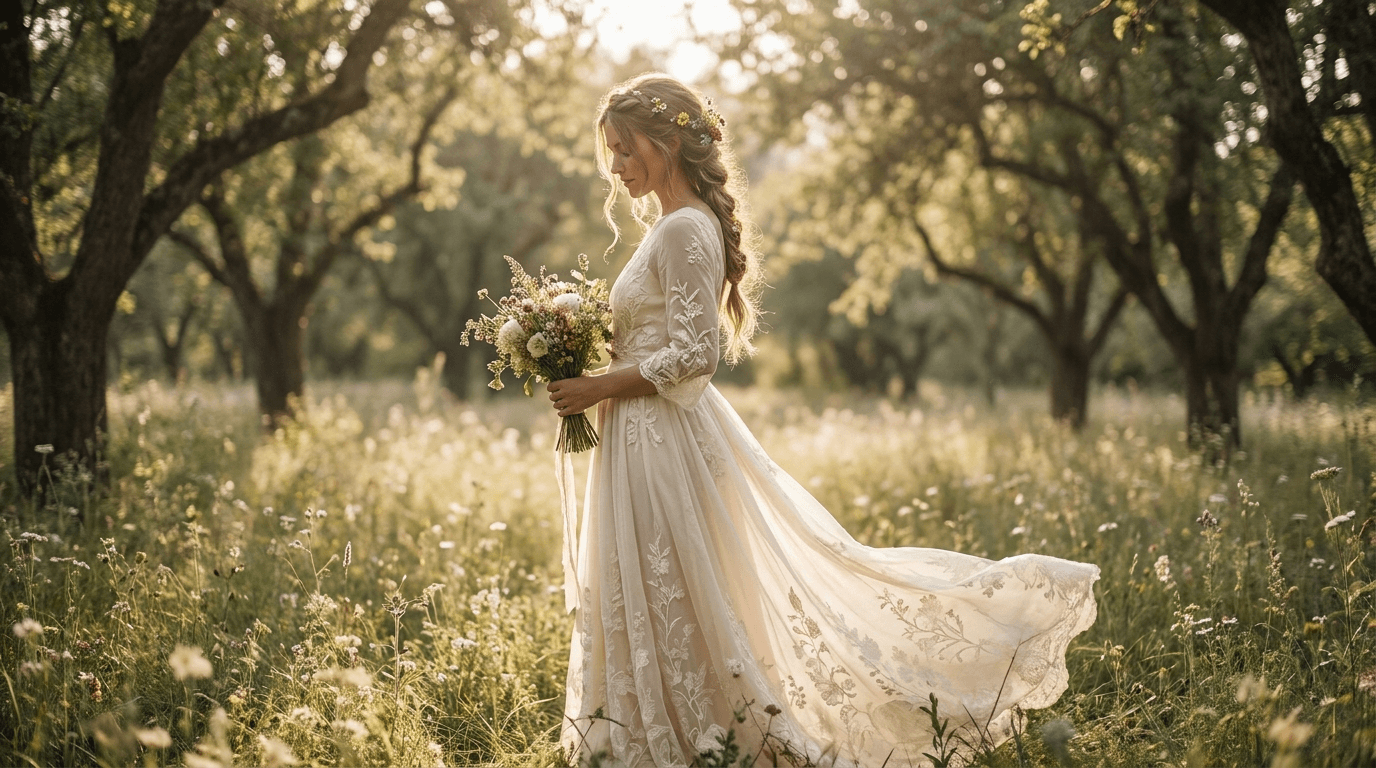
Crafting Your Dream Sustainable Wedding Dress: An Eco-Chic Guide
Congratulations, future bride! As you embark on the exciting journey of finding your perfect wedding gown, you might also be thinking about how your choices impact the world around us. The good news? You no longer have to compromise on style or ethics. A sustainable wedding dress is not just a trend; it's a beautiful movement towards mindful celebration. This article will guide you through the world of eco-friendly bridal fashion, exploring everything from innovative fabrics to pre-loved treasures and designers committed to ethical practices. Get ready to discover how to say 'I do' to both your partner and the planet, looking absolutely stunning in the process.
Table of Contents
- The Rise of Sustainable Wedding Dress Fabrics
- Embracing Pre-Loved: Vintage and Secondhand Eco-Friendly Bridal Gowns
- Ethical Wedding Gown Designers: Beyond the Fabric
- Making Your Sustainable Choice: Tips for a Green Wedding Dress
- Frequently Asked Questions
The Rise of Sustainable Wedding Dress Fabrics
The foundation of any truly eco-friendly bridal gown lies in its materials. Gone are the days when 'sustainable' meant sacrificing luxury or aesthetics. Today's innovative fabric world offers breathtaking options that are kind to the earth without compromising on elegance. Imagine walking down the aisle in a gown crafted from organic cotton, known for its soft touch and breathability, or perhaps a luxurious hemp silk blend that drapes beautifully and has a subtle sheen. These natural fibers are grown without harmful pesticides, reducing their environmental footprint significantly.
Beyond traditional natural fibers, designers are embracing exciting alternatives like Tencel™ Lyocell, a fabric made from sustainably sourced wood pulp through an environmentally responsible closed-loop process. It's incredibly soft, drapes beautifully, and has a silky feel. Recycled polyester, made from post-consumer plastic bottles, is another game-changer, giving new life to waste while offering a durable and often more affordable option for certain gown styles. Even silk, a bridal staple, is getting an eco-makeover with "peace silk" or "Ahimsa silk," where silkworms are allowed to complete their metamorphosis and emerge from their cocoons naturally before the silk is harvested. Each of these choices contributes to a dress that tells a story of conscious beauty, reducing water usage, chemical pollution, and waste. If you're curious about other innovative materials and styles shaping the bridal landscape, you might enjoy exploring the Top 2026 Wedding Dress Trends.
Embracing Pre-Loved: Vintage and Secondhand Eco-Friendly Bridal Gowns
One of the most impactful ways to choose a sustainable wedding dress is to give a pre-loved gown a second life. The charm and uniqueness of a vintage or secondhand dress are unparalleled. Imagine wearing a gown with a rich history, perhaps from a bygone era, that perfectly encapsulates your personal style. Beyond the romantic narrative, choosing pre-owned significantly reduces the demand for new production, conserving resources and minimizing waste – a true win for eco-friendly bridal fashion.
Shopping for a pre-loved gown can be an exciting treasure hunt. You might discover a stunning vintage piece from the 1920s with intricate beading, a classic 1950s silhouette, or a contemporary designer gown worn only once. Many brides find that pre-owned dresses offer exceptional value, often allowing them to afford a higher-end designer piece within their budget. Don't be afraid to consider alterations; a skilled seamstress can transform a pre-loved gown to fit you perfectly and even update its style while preserving its original charm. Another increasingly popular option is renting a wedding dress, offering a beautiful, temporary solution that's both sustainable and cost-effective. By choosing pre-loved, you're not just finding a dress; you're becoming part of its continuing story, making a personal statement for a greener wedding.
Ethical Wedding Gown Designers: Beyond the Fabric
When we talk about an ethical wedding gown, the conversation extends beyond just the fabric. It encompasses the entire journey of the dress, from sketch to final stitch. Ethical designers prioritize fair labor practices, ensuring that everyone involved in crafting your gown receives fair wages and works in safe conditions. This commitment often involves local production, which helps reduce the carbon footprint associated with long-distance shipping and supports local economies. Transparency in the supply chain is key, allowing you to trace the origins of your dress and feel confident in its ethical lineage.
Many designers leading the eco-bridal movement focus on made-to-order models, which dramatically minimizes waste. Instead of producing large quantities that might go unsold, each gown is created specifically for its bride, reducing excess inventory and material waste. These studios often use small-batch production, allowing for meticulous attention to detail and a more personal connection to the garment's creation. For brides who envision a truly unique gown made with intention, exploring options to design a sustainable wedding dress allows you to choose every detail, from fabric to embellishments, with an eco-conscious mind. Supporting these designers means investing in a gown that not only looks beautiful but also aligns with your values, knowing that its creation positively impacts both people and the planet.
Making Your Sustainable Choice: Tips for a Green Wedding Dress
Finding your perfect green wedding dress doesn't have to be overwhelming. It's about making informed choices that resonate with your personal style and values. Start by doing your research: look for designers who explicitly state their commitment to sustainability, whether through their fabric choices, production methods, or fair labor practices. Don't hesitate to ask questions about where and how their dresses are made. Many brands are proud to share their eco-conscious journey.
Consider supporting local ateliers or independent designers in your area. This not only reduces shipping emissions but also allows for a more direct connection with the creative process and often ensures greater transparency. Think about the lifecycle of your dress beyond the wedding day. Could it be dyed a different color and worn again for special occasions? Could it be altered into a cocktail dress or a skirt? Some brides even choose to donate their dresses to organizations that repurpose them or sell them to fund charities. Remember, sustainability is a spectrum, and every conscious choice makes a difference. You don't need to be perfect; just be mindful. To see more examples and gather inspiration, browse our extensive Wedding Dress Design Gallery which showcases a variety of styles that can inspire your sustainable choice.
Frequently Asked Questions
Q: What exactly makes a wedding dress "sustainable"?
A: A sustainable wedding dress minimizes environmental and social impact throughout its lifecycle. This includes using eco-friendly materials (like organic cotton, recycled fabrics, or peace silk), ethical production practices (fair wages, safe conditions), reduced waste, and often a focus on longevity or repurposing.
Q: Are sustainable wedding dresses more expensive than traditional ones?
A: Not necessarily. While some innovative eco-fabrics or ethical production methods might incur a higher cost, options like pre-loved dresses or custom designs made with efficient practices can be very competitive. The price range is broad, much like traditional gowns, offering options for various budgets.
Q: How can I ensure a designer is truly eco-friendly and not just "greenwashing"?
A: Look for transparency. Reputable sustainable brands will openly share information about their materials' origins, manufacturing processes, labor practices, and certifications. Ask specific questions, check their 'About Us' or 'Sustainability' pages, and look for third-party certifications.
Q: Can I still have a custom-designed dress if I want it to be sustainable?
A: Absolutely! Custom design is often inherently sustainable as it reduces waste by creating a dress specifically for you, eliminating excess inventory. Many ethical designers specialize in bespoke gowns, allowing you to choose sustainable fabrics and ensure ethical production from start to finish.
Q: What are some popular eco-friendly fabrics for a modern bridal look?
A: Popular choices include organic cotton and hemp silk for natural textures, Tencel™ Lyocell for a luxurious drape and silky feel, recycled satin or lace for a modern touch, and even peace silk for a classic, ethical option. These materials offer both beauty and a clear conscience.
Conclusion
Choosing a sustainable wedding dress is a powerful statement of love – not just for your partner, but for our planet. From the luxurious feel of organic silks to the unique charm of a vintage find, the options for an eco-friendly bridal gown are as diverse and beautiful as love itself. You don't have to compromise on your dream aesthetic to make a responsible choice. By embracing mindful materials, supporting ethical designers, or giving a pre-loved gown a new chapter, you're contributing to a more beautiful future. Ready to bring your vision to life? You can begin to design your dream dress with AI and explore sustainable options that reflect your values.
Design Your Perfect Wedding Dress
Inspired by what you read? Use our AI-powered designer to create a custom wedding dress tailored to your style, body type, and venue.
Start Designing for FreeRelated Articles

Top 2026 Wedding Dress Trends: Your Ultimate Bridal Style Guide
Discover the top 2026 wedding dress trends, from opulent grandeur and sculptural minimalism to playful romance and sustainable styles. Find your perfect gown.

Fall 2026 Wedding Dress Trends: Rich Textures & Warm Hues
Discover the enchanting fall 2026 wedding dress trends, featuring luxurious textures, warm color palettes, and romantic silhouettes. Find your perfect autumn bridal gown.

Oversized Bow Wedding Dress 2026: The Ultimate Bridal Statement
Discover why the oversized bow wedding dress 2026 is the year's top bridal trend. Learn how to style this statement detail for a truly unforgettable wedding day look.