Wedding Dress Alterations: Your Guide to Expectation & Cost
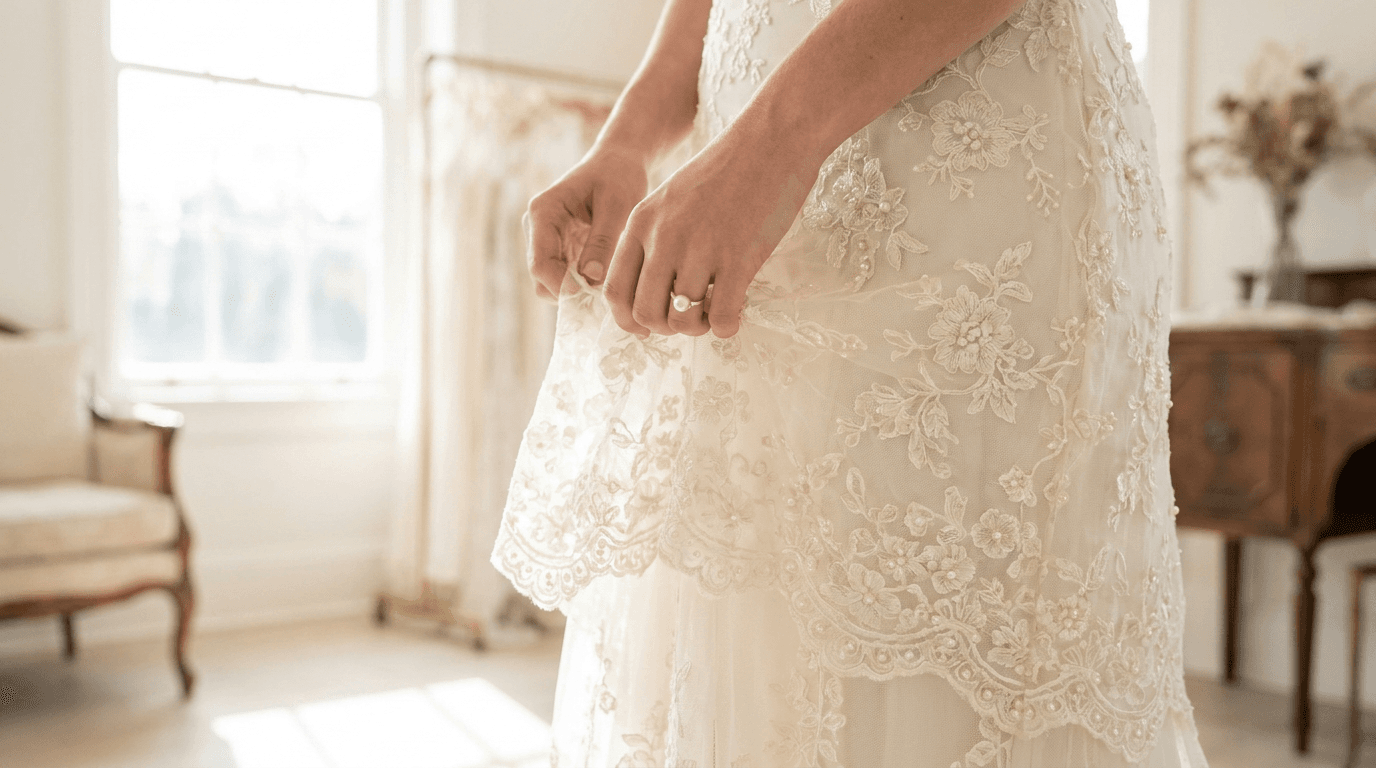
Wedding Dress Alterations: Your Guide to Expectation & Cost
Congratulations, future bride! You've found "the one" – your dream wedding dress. It's a magical moment, but for most gowns, the journey isn't complete until it fits you like a second skin. That's where wedding dress alterations come in. This isn't just about making it smaller or larger; it's about perfecting every seam, every curve, to ensure you feel absolutely breathtaking on your big day. In this comprehensive guide, we'll walk you through what to expect from the alterations process, demystify the associated costs, navigate the crucial fitting timeline, and help you choose the right expert to bring your vision to life. Get ready to embrace a dress that truly belongs to you.
Table of Contents
- Decoding Common Wedding Dress Alterations
- Understanding Bridal Alterations Cost
- Your Essential Dress Fitting Timeline
- Choosing Your Alterations Expert: Red Flags & Green Lights
- Frequently Asked Questions
- Conclusion
Decoding Common Wedding Dress Alterations
When you think of wedding dress alterations, you might just imagine a few nips and tucks, but the process can be far more intricate, transforming an off-the-rack gown into a bespoke masterpiece. The most frequent adjustment is the hem, ensuring your dress skims the floor perfectly with your chosen wedding shoes. This is often more complex than it sounds, especially with multiple layers, lace trims, or horsehair finishes.
Beyond the hem, taking in or letting out the bodice is incredibly common. Even if your measurements match a standard size, every body is unique, and a perfect fit through the bust, waist, and hips is paramount for comfort and aesthetics. Straps might need shortening or lengthening, sleeves could require reshaping for a more flattering line, and necklines can sometimes be subtly adjusted to enhance your décolletage.
Another crucial alteration is adding a bustle. This ingenious system allows you to elegantly lift and secure your train off the ground after the ceremony, preventing damage and making it easier to move, dance, and mingle. There are various bustle styles, from the classic over-bustle to the intricate French under-bustle, and your seamstress will recommend the best option for your gown's design. Sometimes, brides also opt for custom additions like sleeves, unique embellishments, or even a different back closure. Remember, a great seamstress can work wonders, so don't hesitate to discuss your vision. For a smooth experience, refer to Your Essential Wedding Dress Fitting Checklist to know exactly what to prepare for each appointment.
Understanding Bridal Alterations Cost
One of the most common questions brides ask is, "How much do bridal alterations cost?" The answer, unfortunately, isn't a simple fixed price, as several factors significantly influence the final bill. Generally, wedding dress alterations can range from a few hundred dollars to upwards of a thousand, depending on the complexity of the work, the gown's fabric, and even your geographic location.
Key Cost Factors:
- Complexity of the Dress: A simple A-line gown with minimal embellishments will naturally cost less to alter than an intricate ball gown with multiple layers of lace, beading, and delicate fabrics. Each layer and embellishment adds time and skill to the process.
- Fabric Type: Delicate fabrics like silk, chiffon, or tulle require more careful handling and specialized techniques, which can increase the cost. Heavily beaded or sequined dresses also take longer to work on, as beads often need to be removed and re-sewn by hand.
- Extent of Alterations: Basic adjustments like a hem and taking in the sides are standard. More extensive changes, such as completely reshaping the neckline, adding sleeves, or significant structural changes, will incur higher costs.
- Location: Alterations in major metropolitan areas tend to be more expensive than in smaller towns.
- Timeline: Rush alterations, needed in a shorter timeframe than standard, almost always come with an additional fee.
Many bridal boutiques offer in-house alterations, which can sometimes be bundled into your dress purchase, or they might provide a flat fee for standard adjustments. Independent seamstresses often charge per service. Always ask for a detailed quote after your first fitting to avoid surprises. While it might be tempting to consider DIY alterations for minor fixes, remember that a wedding dress is a significant investment, and professional expertise is usually worth the cost to ensure a flawless result. For simple fixes, you might explore resources like DIY Wedding Dress Alterations: Simple Fixes for Your Big Day, but for anything complex, trust a pro.
Your Essential Dress Fitting Timeline
Navigating the dress fitting timeline is crucial for a stress-free experience and to ensure your gown is absolutely perfect by your wedding day. Starting your alterations too early or too late can lead to unnecessary stress or a less-than-ideal fit. Here's a general timeline to guide you:
First Fitting: 3-4 Months Before the Wedding
This initial fitting is where the magic begins. By this point, you should have your wedding shoes and any specific undergarments (like a strapless bra or shapewear) you plan to wear on the big day. These items are essential because they dictate the dress's length and how it sits on your body. Your seamstress will pin the hem, mark adjustments to the bodice, and discuss any desired design changes. Be prepared to stand for a while!
Second Fitting: 6-8 Weeks Before the Wedding
During this fitting, you'll try on the dress with the initial alterations completed. This is your chance to assess the changes, ensure the fit feels comfortable, and confirm that the length is correct. The seamstress will likely make further minor adjustments and begin working on the bustle. Again, bring your shoes and undergarments. This fitting helps fine-tune everything.
Third (and often Final) Fitting: 2-3 Weeks Before the Wedding
This is the moment of truth! Your dress should now fit almost perfectly. You'll try it on one last time to ensure everything is just right, from the fit to the bustle. This is the time for any last-minute, minor tweaks. Once you're completely satisfied, you'll typically take your dress home. This close-to-the-date timing accounts for any slight body changes that might occur in the weeks leading up to the wedding. Always communicate openly with your seamstress about your wedding date and any concerns you have.
Choosing Your Alterations Expert: Red Flags & Green Lights
Selecting the right person for your wedding dress alterations is just as important as choosing the dress itself. A skilled and experienced seamstress can make all the difference, while a less-than-stellar one can cause unnecessary stress. Here's how to identify an expert and what warning signs to look out for.
Green Lights: What to Look For
- Experience with Bridal Gowns: Wedding dresses are intricate garments. Look for a seamstress who specializes in or has extensive experience with bridal wear, particularly with fabrics and embellishments similar to your gown's.
- Clear Communication: A good seamstress will listen to your concerns, explain the process clearly, and provide transparent pricing. They should be able to articulate what changes are needed and why.
- Professionalism: This includes a clean, organized workspace, punctual appointments, and a respectful demeanor. They should make you feel comfortable and confident in their abilities.
- Positive Reviews and Referrals: Word-of-mouth recommendations from other brides or your bridal boutique are invaluable. Check online reviews and ask to see examples of their work if possible.
- Detailed Quote: After your first fitting, they should provide a written estimate of the costs involved, breaking down specific alterations.
Red Flags: What to Avoid
- Lack of Experience: If a seamstress seems unfamiliar with common bridal alterations or hesitant about specific tasks, it might be a red flag.
- Vague Pricing: Be wary of anyone who can't give you a clear estimate or seems evasive about costs. Hidden fees are a common source of frustration.
- Poor Communication: If they don't listen to your concerns, rush your fittings, or are difficult to reach, it could indicate future problems.
- Unprofessional Environment: A messy workspace or a disorganized approach can reflect on the quality of their work.
- Over-promising: While confidence is good, beware of anyone who promises impossible changes or guarantees a perfect fit without proper assessment. Some things simply aren't feasible or advisable.
Trust your gut instinct. You want someone who inspires confidence and makes you feel at ease, knowing your precious gown is in capable hands. After your wedding, remember to consider Your Guide to Wedding Dress Preservation: Keep Your Gown Flawless to protect your beautifully altered gown for years to come.
Frequently Asked Questions
Q: How many wedding dress fittings will I need?
Typically, brides will need 2-3 fittings for their wedding dress alterations. The first fitting is for initial pinning and assessment, the second to review the major changes, and the third (often final) for any last-minute tweaks and pick-up. More complex alterations might require an additional fitting.
Q: When should I start my wedding dress alterations?
It's generally recommended to begin your wedding dress alterations 3-4 months before your wedding date. This allows ample time for multiple fittings and any unforeseen adjustments, without feeling rushed. Always ensure you have your wedding shoes and undergarments ready for the first appointment.
Q: Can I lose weight during alterations?
While minor fluctuations are common, significant weight loss or gain during the alterations period is not advisable. Try to maintain a consistent weight once your fittings begin. Major body changes can necessitate extensive re-alterations, which are costly and time-consuming.
Q: What should I bring to my wedding dress fitting?
For every wedding dress fitting, you must bring the exact shoes you plan to wear on your wedding day, along with any specific undergarments (like a strapless bra, shapewear, or a specific slip) you've chosen. These items are crucial for achieving the perfect length and fit.
Q: What's the average cost for basic wedding dress alterations?
The average cost for basic wedding dress alterations (hem, bodice adjustments, bustle) typically ranges from $300 to $700. However, this can vary widely based on the dress's complexity, fabric, location, and the extent of the changes required. Always get a detailed quote.
Conclusion
Mastering your wedding dress alterations is a vital step in making your bridal vision a reality. By understanding the common adjustments, budgeting for the typical bridal alterations cost, and adhering to a sensible dress fitting timeline, you'll navigate the process with confidence. Most importantly, choosing an experienced and communicative alterations expert will ensure your gown is transformed into a perfect reflection of you. Don't underestimate the power of a perfectly fitted dress to make you feel incredible on your special day. Ready to visualize your perfect fit? Explore designs and even design your dream dress at What a Dress to see how seamless and stunning your wedding gown journey can be.
Design Your Perfect Wedding Dress
Inspired by what you read? Use our AI-powered designer to create a custom wedding dress tailored to your style, body type, and venue.
Start Designing for FreeRelated Articles

DIY Wedding Dress Alterations: Simple Fixes for Your Big Day
Learn how to confidently tackle simple DIY wedding dress alterations like hemming, adding a bustle, and securing buttons. Save money and add a personal touch to your bridal gown.

Your Essential Wedding Dress Fitting Checklist
Prepare for your wedding dress fitting like a pro with our essential checklist. Discover what undergarments, shoes, accessories, and practical items to bring for a flawless fit.

Your Guide to Wedding Dress Preservation: Keep Your Gown Flawless
Learn the essential steps for wedding dress preservation, from immediate care to professional cleaning and long-term storage, ensuring your cherished gown remains beautiful for years.