Navigating Wedding Dress Weight Change: Your Ultimate Guide
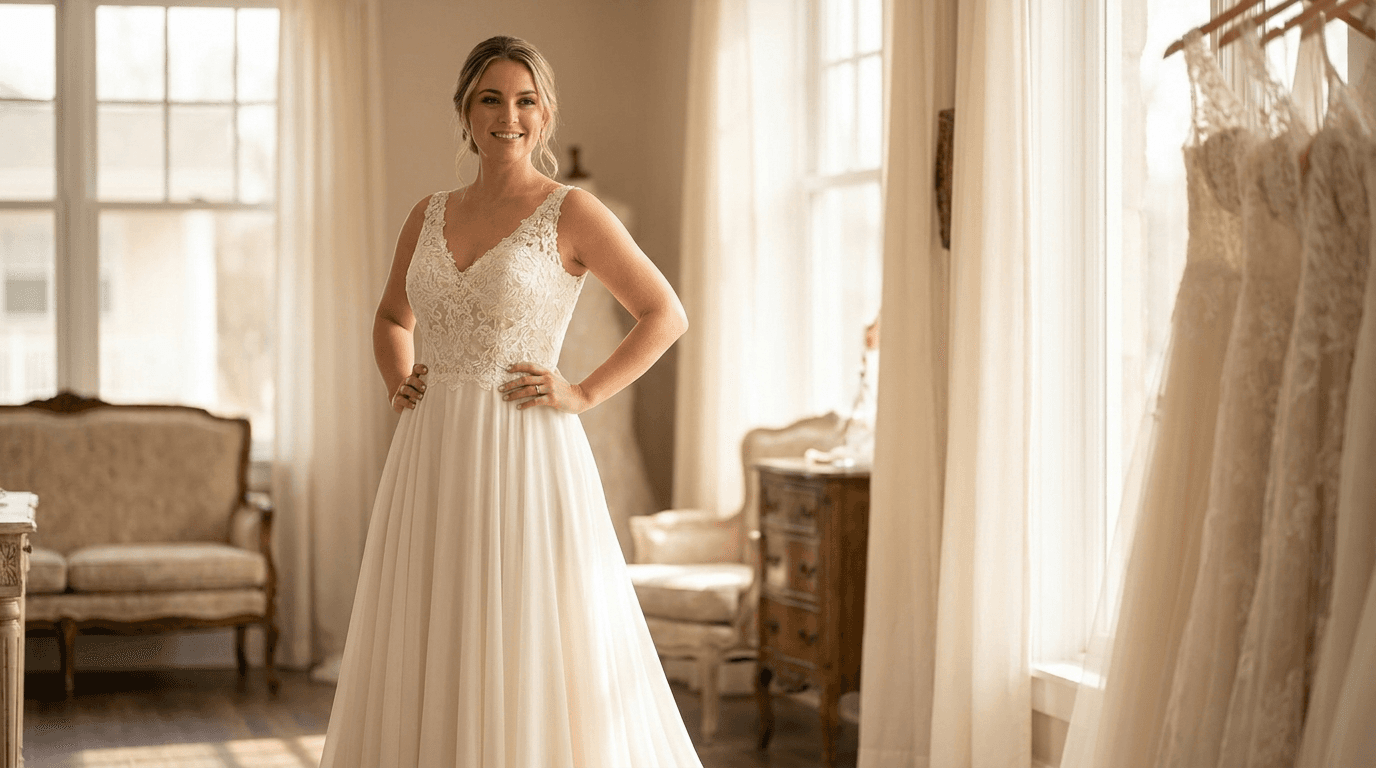
Navigating Wedding Dress Weight Change: Your Ultimate Guide
The journey to finding your perfect wedding dress is filled with excitement, but for many brides, it also comes with a unique set of worries, especially around body image and potential weight fluctuations. It's incredibly common to wonder how a wedding dress weight change might impact your dream gown. Whether you're planning to tone up, or simply anticipate natural shifts, understanding the process can alleviate a lot of stress. This article will guide you through timing your dress purchase, what alterations can realistically achieve, and most importantly, how to embrace your beautiful self, no matter what. We'll help you navigate these common concerns so you can walk down the aisle feeling confident and radiant.
Table of Contents
- Timing Your Dress Purchase & Initial Sizing Strategy
- The Magic of Alterations: What's Possible?
- Mindful Approaches to Weight & Wellness
- Final Fittings and Pre-Wedding Prep
- Frequently Asked Questions
Timing Your Dress Purchase & Initial Sizing Strategy
One of the most frequent questions we hear at What a Dress is, "When should I buy my dress if I anticipate a wedding dress weight change?" The general advice is to order your dress 9-12 months before your wedding date. This timeframe allows for production (which can take 4-6 months) and leaves ample time for multiple rounds of alterations. When you place your order, your bridal consultant will take your measurements and recommend a size. It's crucial to remember that bridal sizing often differs significantly from street clothes – don't get hung up on the number!
A common dilemma arises when brides are actively trying to achieve specific body goals, like losing weight for wedding. If you're planning a significant transformation, it's generally safer to order the dress closer to your current size rather than sizing down too much. Taking a dress in is almost always easier and less expensive than letting it out, which can sometimes be impossible depending on the seam allowances. Discuss your plans openly with your bridal consultant. They are experts and can provide valuable insights into how different fabrics and silhouettes respond to alterations. Some fabrics, like lace or heavily beaded gowns, have less flexibility for significant changes, while others, like satin or crepe, are more forgiving. This initial discussion can prevent many future dress sizing concerns. For those considering alternatives to traditional purchasing, exploring options like renting a wedding dress can offer different timelines and flexibility. Remember, the goal is to find a dress that makes you feel incredible from day one, not one you hope to "fit into."
The Magic of Alterations: What's Possible?
Alterations are truly where your wedding dress transforms from a beautiful gown into your perfect gown. A skilled seamstress can work wonders, but it's important to understand the scope of what's possible, especially concerning a wedding dress weight change. Typically, a dress can be taken in by 2-4 sizes without compromising its structure or design. This usually translates to about 2-4 inches around the bust, waist, and hips. Letting a dress out, however, is much more limited. Most gowns have only about 1/2 to 1 inch of seam allowance, meaning there's very little extra fabric to work with. If you gain more than a size, letting it out might not be feasible without adding panels or making significant, costly design changes.
Beyond just size adjustments, alterations can fine-tune the fit of the bodice, adjust strap length, shorten the hem, and even reshape necklines or add embellishments. For instance, if you've found a gorgeous dress but want to add a unique sleeve or adjust the back, a good seamstress can often incorporate these elements. You can explore various design ideas in our Wedding Dress Design Gallery for inspiration on how custom touches can elevate a gown. Always budget for alterations, as they are a separate and essential cost. They typically begin 2-3 months before the wedding, allowing your body to settle into its pre-wedding state. Be honest with your seamstress about any anticipated changes; their expertise is invaluable in ensuring a flawless fit.
Mindful Approaches to Weight & Wellness
Many brides feel immense pressure to achieve a certain look or embark on drastic diets for their wedding day. While it's natural to want to look and feel your best, focusing solely on losing weight for wedding can lead to unhealthy habits and unnecessary stress. Instead, consider a holistic approach to wellness. Prioritize balanced nutrition, regular exercise for energy and stress relief, and adequate sleep. These habits will not only help you feel great on your wedding day but also contribute to your long-term health.
Remember that your body is beautiful exactly as it is. Your wedding day is about celebrating your love story, not about fitting into an arbitrary ideal. If you do plan to make changes, aim for sustainable, healthy adjustments rather than extreme measures. Significant, rapid weight fluctuations can make fitting your dress incredibly challenging and stressful. Instead of thinking about a drastic wedding dress weight change, focus on feeling strong, energized, and confident. Embrace the journey and remember that your partner fell in love with you. If you're feeling overwhelmed by expectations, consider talking to a trusted friend or professional. For more tips on overall bridal preparation, you might find our guide on Matching Your Wedding Hairstyle and Dress Perfectly helpful, as feeling good from head to toe is key.
Final Fittings and Pre-Wedding Prep
Your final fitting, typically scheduled 2-4 weeks before your wedding, is a critical step to ensure your dress is absolutely perfect. By this point, any significant wedding dress weight change should ideally be behind you, allowing your seamstress to make precise adjustments. It's imperative to bring all your wedding day accessories to this fitting: your exact shoes, undergarments (bra, shapewear, petticoat), and any jewelry you plan to wear. These items can subtly alter the way your dress sits and feels, and wearing them ensures the hem length and fit are spot-on.
During this fitting, move around, sit, and even practice dancing a little to ensure you can comfortably enjoy your wedding day. Pay close attention to how the dress feels in different positions. If anything feels too tight, too loose, or simply uncomfortable, speak up! This is your last chance for major adjustments. After this, only minor tweaks might be possible. Once the final fitting is complete, your dress will be pressed and ready for pickup. Store it carefully in a breathable garment bag in a cool, dry place until your big day. This meticulous preparation ensures that when you step into your gown, it fits like a dream, empowering you with confidence and comfort.
Frequently Asked Questions
Q: How much weight change can a wedding dress handle in alterations?
A: Generally, a wedding dress can be taken in by 2-4 sizes (around 2-4 inches per measurement point) without issue. Letting a dress out is much more limited, usually only about 1/2 to 1 inch, as there's very little extra seam allowance.
Q: Is it better to buy a wedding dress too big or too small?
A: It is almost always better to buy a wedding dress slightly too big rather than too small. Taking a dress in is a much simpler and less expensive alteration than trying to let it out, which can sometimes be impossible depending on the gown's construction and fabric.
Q: When should I have my first wedding dress fitting if I'm planning to lose weight?
A: Your first fitting typically occurs 2-3 months before your wedding date. If you anticipate significant weight loss, aim to have achieved most of your goal by this time. Discuss your plans with your bridal consultant or seamstress early on for personalized advice.
Q: What if I gain weight unexpectedly before my wedding?
A: Don't panic! Minor gains can often be accommodated by a skilled seamstress, especially if there's a small seam allowance to work with. For more significant changes, your seamstress might be able to add a corset back, panels, or suggest other creative solutions. Open communication with your alteration specialist is key.
Q: Can I still have a beautiful wedding dress if I don't achieve my "goal weight"?
A: Absolutely! Your wedding dress should celebrate you exactly as you are. A skilled seamstress will tailor the dress to fit your current body perfectly, ensuring you feel comfortable and stunning. Focus on feeling healthy and happy, and trust that your dress will be a perfect reflection of your joy.
Conclusion
Navigating the uncertainties of a wedding dress weight change can feel daunting, but with the right knowledge and approach, it doesn't have to overshadow your bridal journey. By understanding the timing of your purchase, the capabilities of alterations, and prioritizing a healthy mindset, you can approach your wedding day with confidence. Remember, your dress is meant to fit you, not the other way around. Embrace your unique beauty and focus on the joy of your celebration. If you're ready to create a gown that perfectly embodies your vision, no matter your body's beautiful journey, you can design your dream dress with AI at What a Dress.
Design Your Perfect Wedding Dress
Inspired by what you read? Use our AI-powered designer to create a custom wedding dress tailored to your style, body type, and venue.
Start Designing for FreeRelated Articles
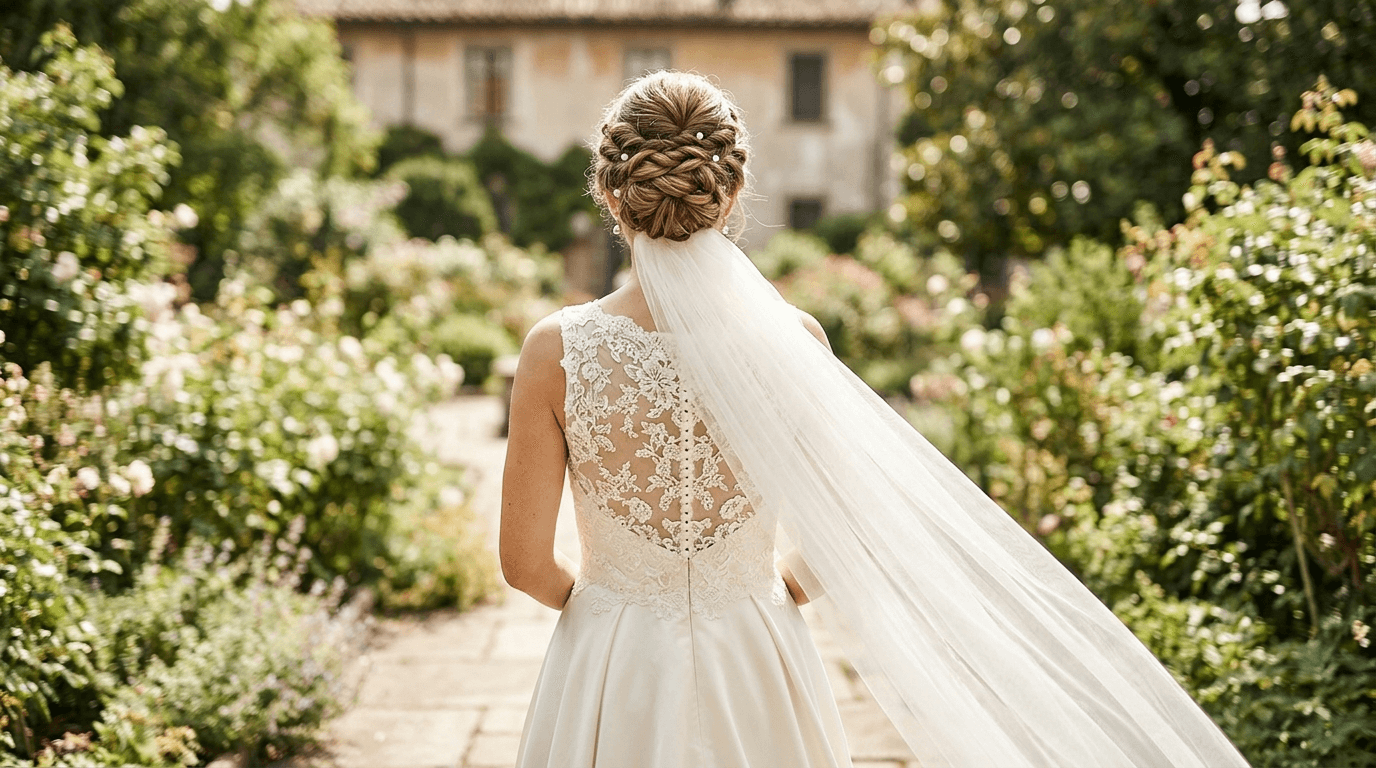
Your Guide: Matching Your Wedding Hairstyle and Dress Perfectly
Discover how to perfectly match your wedding hairstyle and dress. Learn how necklines influence hair choices, explore updo vs. down styles, and integrate your veil flawlessly for a cohesive bridal look.
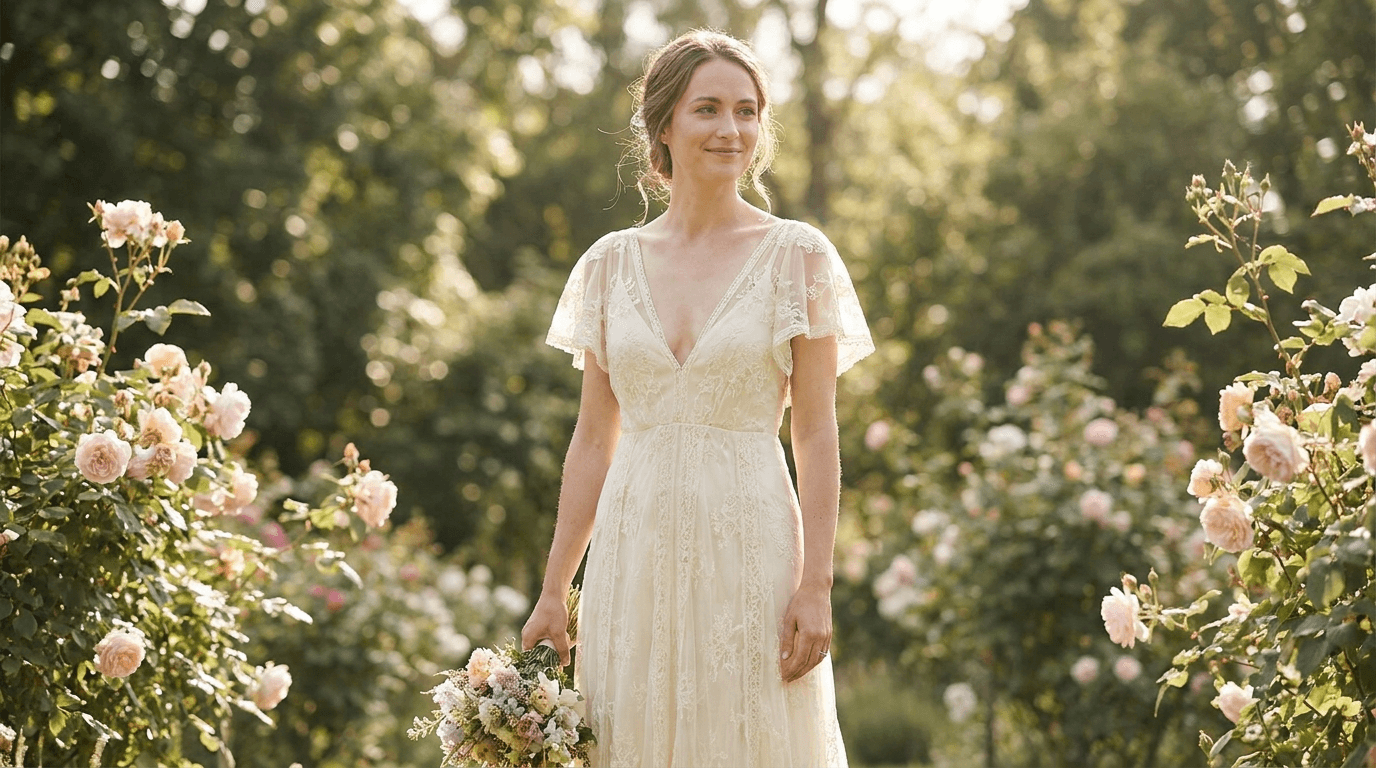
Modernizing Your Heirloom Wedding Dress: A Guide for Brides
Discover how to beautifully modernize your heirloom wedding dress. Learn about strategic alterations, styling tips, and personal touches to blend tradition with your unique style.

Renting a Wedding Dress: Your Smart Guide to Bridal Rentals
Discover if renting a wedding dress is right for you! This guide covers the benefits, top rental services, what to watch for, and FAQs for a stress-free bridal experience.