Seamless Bridesmaid Dress Coordination for Your Big Day
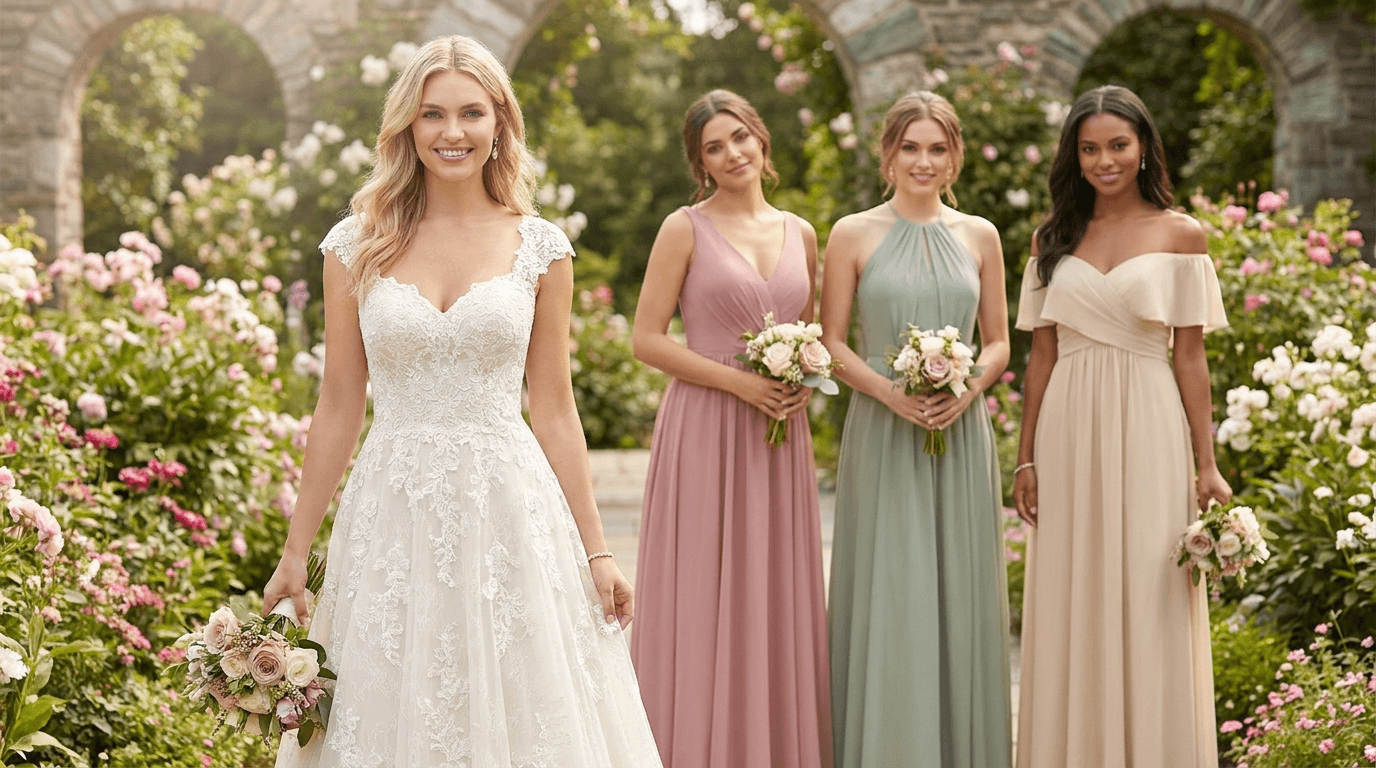
Seamless Bridesmaid Dress Coordination for Your Big Day
Your wedding day is a tapestry woven with personal touches, and your bridal party plays a starring role in bringing that vision to life. As you envision yourself walking down the aisle, radiant in your dream gown, you'll naturally want your bridesmaids to complement your look beautifully. The art of bridesmaid dress coordination isn't just about picking a color; it's about creating a cohesive aesthetic that enhances your overall wedding theme and, most importantly, your bridal gown. This guide will walk you through everything from complementary styles to embracing the popular mismatched trend, ensuring your bridal party looks stunning and feels confident alongside you.
Table of Contents
- Understanding Your Bridal Gown's Aesthetic
- Bridesmaid Dress Coordination: Complementary vs. Matching Styles
- Embracing the Mismatched Bridesmaid Dress Trend
- Crafting Your Bridesmaid Color Palette
- Fabric, Texture, and Finishing Touches
- Frequently Asked Questions
Understanding Your Bridal Gown's Aesthetic
Before you even begin to think about bridesmaid dresses, take a moment to truly understand your own wedding gown. Your dress is the centerpiece, and its style, fabric, and embellishments will set the tone for your entire bridal party's look. Is your gown a grand, traditional ball gown with intricate lace? Perhaps it's a sleek, modern crepe sheath, or a whimsical, bohemian A-line with delicate floral appliques. Each of these styles dictates a different level of formality and aesthetic. For instance, a highly formal gown might call for equally elegant bridesmaid dresses, while a more relaxed dress allows for softer, flowing fabrics and less structured silhouettes.
Consider the era or theme your dress evokes. Is it vintage-inspired, contemporary, rustic, or glamorous? The bridesmaid dresses should echo this sentiment without competing with your gown. Pay attention to details like neckline, sleeve length, and train, as these elements can subtly influence the appropriate formality for your bridal party. Thinking about your gown early in the process can save you a lot of time and potential stress. If you're still in the early stages of planning, our guide on your wedding dress shopping timeline can help you perfectly time these decisions.
Bridesmaid Dress Coordination: Complementary vs. Matching Styles
Once you have a clear vision of your bridal gown, the next big decision in bridesmaid dress coordination is whether to opt for a perfectly matching bridal party or a more complementary approach. Both have their unique charm and benefits, depending on your personal style and wedding vision.
The Classic Matching Look
Matching bridesmaid dresses offer a timeless, unified aesthetic. Every bridesmaid wears the exact same dress style, color, and fabric. This creates a very cohesive and traditional look, often seen in formal weddings. It simplifies decision-making once the dress is chosen and ensures a consistent visual presence in photos. However, the challenge here is finding one style that flatters every body type among your bridesmaids. While elegant, it can sometimes feel a bit rigid if not chosen carefully.
The Harmonious Complementary Approach
A complementary approach allows for more flexibility while maintaining a cohesive feel. This often means choosing the same color and fabric for all dresses but allowing bridesmaids to select different necklines, sleeve styles, or even silhouettes that best suit their individual figures. This method ensures visual harmony through color and material, while empowering your bridesmaids to feel comfortable and confident in a dress that flatters them. It’s a fantastic way to achieve a polished, yet personalized, bridal party appearance. You can browse our gallery for inspiration on how different styles can still look cohesive.
Embracing the Mismatched Bridesmaid Dress Trend
The mismatched bridesmaid dress trend has soared in popularity, offering a fresh, modern, and personalized aesthetic for your bridal party. This approach allows for incredible individuality and ensures each bridesmaid feels beautiful in a dress that truly suits her. However, achieving a successfully mismatched look requires careful planning to ensure it looks intentional and harmonious, rather than chaotic.
There are several ways to execute the mismatched look, each offering a distinct vibe:
- Same Color, Different Styles: This is the most common and easiest way to achieve the mismatched look. You choose one bridesmaid color palette (e.g., dusty rose), and each bridesmaid selects a dress in that exact shade but in a style that they love and feel comfortable in. This maintains strong visual unity through color.
- Different Shades of the Same Color: Here, you select a primary color (e.g., blue) and then choose dresses in varying shades within that color family (e.g., navy, dusty blue, sky blue). This creates an ombre or gradient effect, adding depth and visual interest. Ensure the shades work well together and complement your overall wedding color scheme.
- Different Colors, Same Color Palette: For the bold and adventurous, you can select a specific bridesmaid color palette (e.g., a mix of sage green, blush, and champagne) and have bridesmaids choose dresses within those approved colors. To maintain cohesion, it's often best to keep the dress length and fabric consistent. This creates a vibrant, dynamic look that can be truly stunning.
Regardless of the approach, providing guidelines on length (e.g., all floor-length), fabric type (e.g., all chiffon), or even accessories can help tie the diverse dresses together beautifully. It’s about creating a curated collection, not a free-for-all.
Crafting Your Bridesmaid Color Palette
The bridesmaid color palette is arguably one of the most impactful decisions in bridesmaid dress coordination, as color sets the mood and tone for your entire wedding aesthetic. This choice should not only complement your wedding theme and season but also enhance your bridal gown and venue.
Start by considering your wedding colors. Are you working with a vibrant, bold palette for a summer celebration, or a muted, earthy tone for an autumn affair? Your bridesmaid dresses should integrate seamlessly into this larger scheme. Think about the season: pastels and brights often shine in spring and summer, while deeper jewel tones or rich neutrals are perfect for fall and winter.
Next, consider your bridal gown. While your dress is likely white, ivory, or champagne, the undertones can influence the best bridesmaid colors. A warm ivory gown might pair beautifully with warm-toned bridesmaid colors like blush, coral, or gold, while a stark white gown might pop against cool blues, greens, or silver. Don't be afraid to think outside the box; sometimes an unexpected color combination can be breathtaking. You can even explore various color swatches when you design your own wedding dress to see how different shades might interact.
Consider monochromatic palettes for sophisticated elegance, or analogous colors (colors next to each other on the color wheel) for a harmonious blend. Complementary colors (opposite on the color wheel) can create a striking, high-contrast look if that suits your vision. Don't forget the power of neutrals like champagne, taupe, or gray, which can serve as a beautiful base for any accent colors in bouquets or accessories.
Fabric, Texture, and Finishing Touches
Beyond color and style, the fabric and texture of your bridesmaid dresses play a crucial role in bridesmaid dress coordination. These elements contribute significantly to the overall formality and feel of your bridal party's look, adding depth and interest that can elevate the entire aesthetic.
Consider how different fabrics drape and catch the light. Chiffon offers a light, airy, and romantic feel, perfect for outdoor or spring/summer weddings. Satin and silk provide a luxurious sheen and more structured drape, ideal for formal evening affairs. Velvet adds a touch of richness and warmth, making it a popular choice for fall and winter weddings. Crepe offers a modern, sophisticated look with its smooth finish and elegant drape. When mixing and matching, choosing dresses in the same fabric can provide a subtle thread of continuity, even if styles and shades vary.
Texture, whether inherent in the fabric (like lace or velvet) or added through embellishments (like sequins or embroidery), can add another layer of visual interest. Just ensure that any textures complement, rather than clash with, your bridal gown's details. For example, if your dress has intricate beading, a simple, smooth bridesmaid dress might be best to avoid overwhelming the look.
Finally, don't overlook the power of finishing touches. Accessories like jewelry, shoes, shawls, and even hair accessories can be used to unify a diverse bridal party. Providing guidelines for these items – perhaps suggesting silver jewelry for everyone, or a specific shoe color – can pull the entire look together, ensuring every detail contributes to a cohesive and stunning bridal party.
Frequently Asked Questions
Q: How do I choose a bridesmaid dress color that complements my white wedding dress?
A: To choose a complementary color, consider the undertones of your white dress (warm ivory, cool stark white) and your overall wedding palette. Warm-toned dresses pair well with blush, gold, and peach, while cool-toned dresses might complement blues, greens, and silver. Always factor in your wedding season and venue for the best match.
Q: Can my bridesmaids wear different dress styles but the same color?
A: Absolutely! This is one of the most popular and flattering ways to achieve a cohesive yet personalized bridesmaid look. Choosing one color and fabric while allowing different styles ensures that each bridesmaid can select a silhouette that flatters her body type, leading to a confident and harmonious bridal party.
Q: What if one bridesmaid doesn't like the chosen dress style or color?
A: Open communication is key. If you're going for a more uniform look, try to find a style that is universally flattering or offer a few approved options. For mismatched looks, give clear guidelines while allowing some personal choice. Ultimately, remind them that their support is what matters most, and express your appreciation for their role in your special day.
Q: Should bridesmaid dresses match the formality of the wedding?
A: Yes, bridesmaid dresses should always align with the overall formality of your wedding. A black-tie event calls for elegant, floor-length gowns, while a casual beach wedding might suit shorter, flowy dresses. Matching the formality ensures a cohesive and appropriate aesthetic for your entire celebration.
Q: How far in advance should we order bridesmaid dresses?
A: It's generally recommended to order bridesmaid dresses 6-8 months before the wedding. This allows ample time for production and shipping, which can often take 3-5 months, plus an additional 2-3 months for necessary alterations. This timeline helps avoid last-minute stress and ensures everyone's dress is perfect.
Conclusion
Achieving perfect bridesmaid dress coordination is an art that beautifully frames your bridal gown and enhances your entire wedding aesthetic. By considering your own dress's style, exploring complementary or mismatched options, and carefully curating your bridesmaid color palette and fabrics, you can create a stunning and harmonious bridal party look. Remember, the goal is for everyone to feel beautiful and confident, contributing to the magic of your day. Ready to bring your entire wedding vision to life? You can even begin to design your dream dress and explore options that perfectly complement your chosen bridesmaid styles at What a Dress.
Design Your Perfect Wedding Dress
Inspired by what you read? Use our AI-powered designer to create a custom wedding dress tailored to your style, body type, and venue.
Start Designing for FreeRelated Articles
Wedding Dress Alterations: Your Guide to Expectation & Cost
Demystify wedding dress alterations! Learn what to expect, understand bridal alterations cost, and master your dress fitting timeline for a perfect fit on your big day.

Your Wedding Dress Shopping Timeline: A Stress-Free Guide
Discover your ideal wedding dress shopping timeline, from initial research to final fittings. Learn when to buy your wedding dress and what to expect at each stage for a stress-free journey.

Designer vs Budget Wedding Dress: Unveiling the Real Differences
Unsure about the difference between a designer vs budget wedding dress? This guide uncovers the real distinctions in craftsmanship, fabric, fit, and experience to help you choose your dream gown.